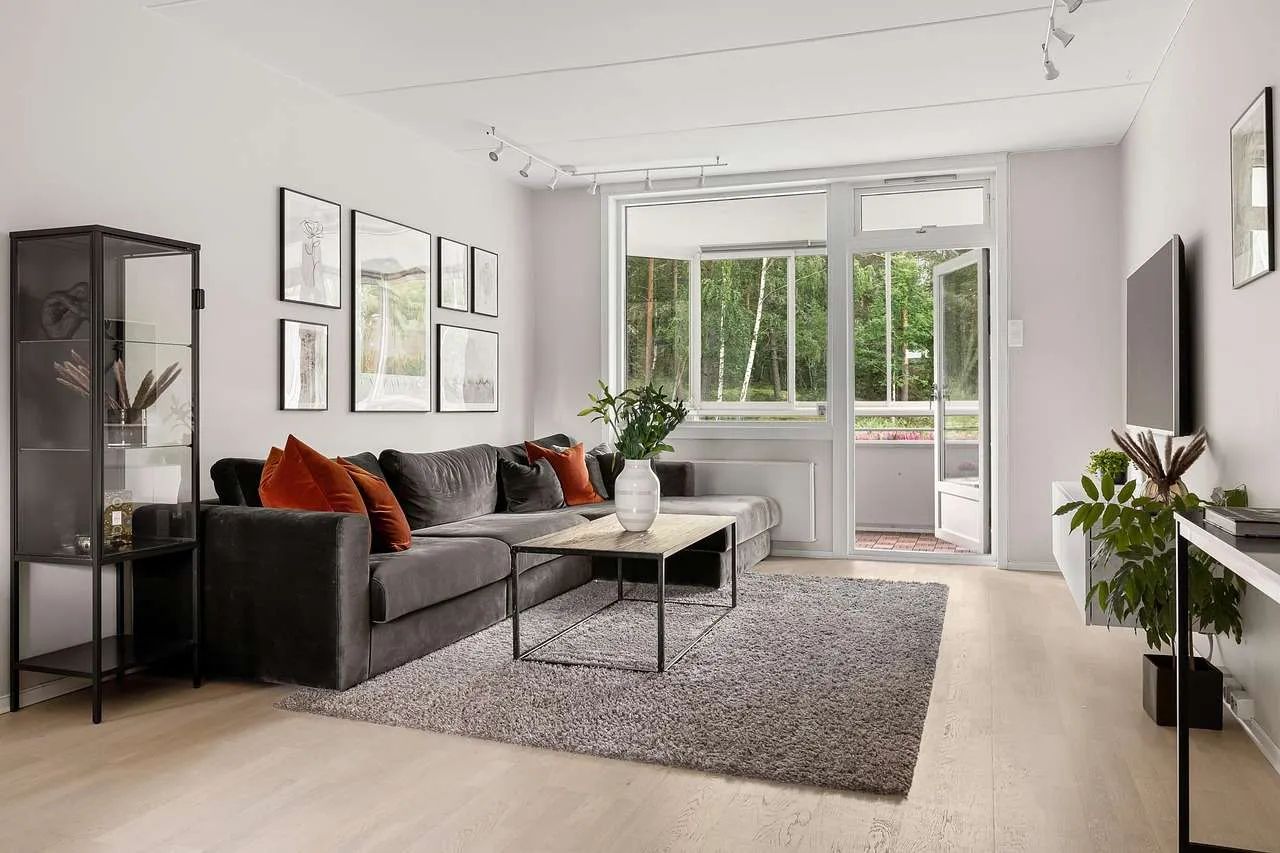
What is home window tinting and why it matters
Home window tinting refers to applying a thin film to interior or exterior glass to reduce heat, glare and UV exposure while improving privacy. When done by a qualified installer, it can preserve views and daylight while delivering measurable comfort and energy savings. As with any home improvement, credibility matters: seek installers with product warranties, industry certifications and clear design options that match your climate and home style.
Benefits of home window tinting
- Energy efficiency and heat control: tinted film reflects or absorbs infrared radiation, helping keep interiors cooler in summer and reducing HVAC load.
- UV protection and fabric preservation: most window films block up to 99% of UV rays, limiting fading of furniture, flooring and artwork.
- Glare reduction: better comfort for TV viewing, computer work and reading by minimizing harsh sunlight.
- Privacy and aesthetics: tinting can obscure views from outside while maintaining visible daylight inside.
- Safety and value: some films add a layer of shatter resistance and can enhance resale appeal when paired with a professional installation.
Types of window tint for homes
Understanding the main categories helps you balance appearance, performance and cost. Each type has distinct benefits and tradeoffs:
Dyed window film
Die-dyed films absorb heat but typically offer strong glare reduction and privacy. They are usually the most affordable option but can fade over time and may not block as much infrared energy as other tech.
Metalized and reflective films
These films use metal particles to reflect heat and glare. They excel at heat rejection and durability but can interfere with electronics or GPS signals if applied to certain panes. They also tend to appear darker from the outside.
Ceramic and nano-ceramic films
Higher-performing and non-metallic, ceramic films provide excellent UV rejection, strong heat control, minimal interference with signals, and clearer visuals. They are often chosen for modern homes and skylights, albeit at a higher price.
Carbon and premium tint films
Carbon-based films balance heat rejection with a matte finish that preserves interior lighting without a shiny exterior look. They offer good durability and UV protection, typically at a mid-to-high price point.
Laminated and safety-focused films
These films add an extra ply for impact resistance, useful in storm-prone areas or homes with active outdoor spaces. They are designed to stay in place even if the glass breaks, providing an added safety layer.
Key factors to consider when choosing tint
- Visible light transmission VLT and appearance: decide how dark you want the tint to look while preserving daylight inside.
- UV rejection: aim for films that block the majority of UV radiation to protect furnishings and skin.
- Infrared rejection: higher IR performance translates to cooler interiors and greater energy savings.
- Durability and warranty: assess scratch resistance, fade resistance and installation warranties from reputable brands.
- Legal limits and local regulations: some jurisdictions regulate tint darkness for street visibility and safety; verify compliance before purchasing.
- Installation quality: a clean, edge-to-edge adhesion without bubbles or peeling is essential for longevity.
Professional installation vs do-it-yourself
Professional installation is recommended for most homes. Pros bring precision cutting, proper cleaning surfaces, edge sealing and film alignment that preserves aesthetics and guarantees warrantees. DIY kits exist but can risk improper adhesion, air bubbles and reduced life of the film. A licensed installer also helps ensure compliance with local rules and provides service in case of peeling or warranty claims.
Costs, ROI and maintenance
Costs vary by film type, window size and complexity. Typical residential installations range from a few hundred to several thousand dollars for an entire home, depending on the number of windows and chosen film. While premium ceramic or carbon films cost more upfront, many homeowners realize meaningful energy savings and UV protection over time. Regular maintenance is simple: use a soft cloth and mild detergent, avoid abrasive cleaners, and address any edge lifting promptly under warranty terms to maximize film life.
Choosing a reputable installer
To ensure EEAT standards are met, select installers who provide documented references, warranties and clear specifications. Look for affiliations with recognized industry bodies such as the International Window Film Association IWFA or other reputable film manufacturers. Request before-and-after photos, a written estimate, a heat-reduction or UV-blocking claim with measurable values, and ensure they explain how the film will affect your specific windows, including skylights or double-paned units.
Comparison of common tint types
| Tint Type | UV Rejection | Visible Light Transmission | IR Rejection | Durability | Typical Cost | Ideal For |
|---|---|---|---|---|---|---|
| Dyed | High | Moderate | Low to Moderate | Moderate | Low to Moderate | Budget upgrades, privacy |
| Metalized | Very High | Low to Moderate | High | Very Durable | Moderate | Heat control, glare reduction |
| Ceramic | Very High | High | Very High | Excellent | High | Best overall performance |
| Carbon | High | Moderate | High | High | Moderate to High | Balanced look and performance |
| Laminated safety | Very High | Low to Moderate | Moderate | Highest | High | Safety and security focused |
In practice, your choice should align with climate, orientation, existing windows and budget. A color or shade preference is legitimate, but the most meaningful gains come from high UV and IR rejection combined with a durable installation and a trusted installer.
Conclusion, the right home window tinting solution offers comfort, protection, and value. By selecting a product with proven UV and heat rejection, confirming warranty terms, and choosing a qualified installer, you can enjoy a cooler, safer and more energy-efficient home for years to come. Summary: home window tinting reduces heat and glare, protects interiors from UV fade, improves privacy, and adds to home value when chosen and installed by professionals with clear warranties and compliant films.
Summary: This article covered the core benefits of home window tinting, explained different tint technologies, highlighted key decision factors, compared common tint types in a table, and provided practical guidance for hiring a reputable installer to ensure long-term performance and satisfaction.